Schlagwort-Archiv: Cockpit

Keine Halon-Feuerlöscher mehr im Cockpit

Nach dem 31. Dezember 2025 dürfen halonbasierte Handfeuerlöscher auch in Luftfahrzeugen nicht mehr verwendet werden. Die Europäische Agentur für Flugsicherheit (EASA) und die Europäische Kommission (DG CLIMA) haben im März 2025 eine aktualisierte Fassung des Leitfadens zur Halonersatzstrategie in der Luftfahrt veröffentlicht.

Umrüstung frühzeitig planen

Wer ist betroffen?
Die Verordnung gilt für alle Luftfahrzeuge, unabhängig von ihrer Verwendung – sowohl für EASA- als auch nationale (Annex I) Luftfahrzeuge. Verantwortlich für die Umsetzung sind Luftfahrzeughalter bzw. Betreiber.

Was ist geregelt?
Die Umweltverordnung betrifft die Einführung und Verwendung von halonhaltigen Feuerlöschern in die EU. Zeitlich begrenzte Ausnahmeregelungen für Kabinenhandfeuerlöscher laufen mit Ende 2025 aus.

Was müssen Halter und Betreiber wissen?
Falls in Ihrem Luftfahrzeug noch Halon-basierte Handfeuerlöscher installiert sind, müssen diese bis 31. Dezember 2025 ersetzt werden. Die Anzahl und Pflicht zur Mitführung von Feuerlöschern ergibt sich neben den Vorgaben des Herstellers auch aus den Betriebsvorschriften.

  • Wie darf die Umrüstung erfolgen?
  • Der Einbau halonfreier Alternativen erfordert eine entsprechende Einbaugenehmigung oder Erklärung für das spezifische Luftfahrzeug. Dies kann erfolgen durch:
  • ein Service-Bulletin des Herstellers
  • ein Supplemental Type Certificate (STC)
  • eine Minor Change-Genehmigung
  • einen Standard Change (siehe CS-STAN CS-SC108a)

Wichtig: Kontaktieren Sie Ihre CAMO/CAO oder Ihren Wartungsbetrieb, um geeignete Austauschoptionen zu klären. Prüfen Sie auch, ob der Luftfahrzeughersteller bereits halonfreie Feuerlöscher im Teilekatalog vorsieht. Quelle: ‚AustroControl‘.

Weiterentwickelt: Pilatus PC-12 PRO

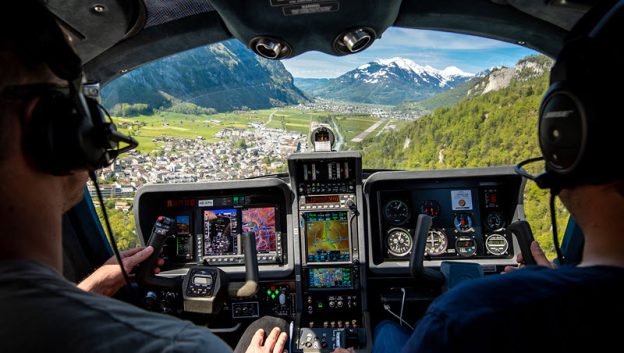
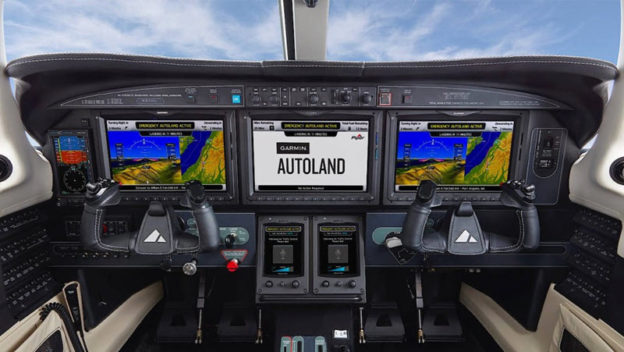
Ein neues Cockpit, innovative Sicherheitsfunktionen wie «Autoland», «Smart Glide» und «Electronic Stability» sowie neue Interieur- und Farbschema-Designs. Diese Weiterentwicklungen machen den brandneuen PC-12 PRO zum technologisch fortschrittlichsten, leistungsfähigsten und zuverlässigsten Flugzeug seiner Klasse.

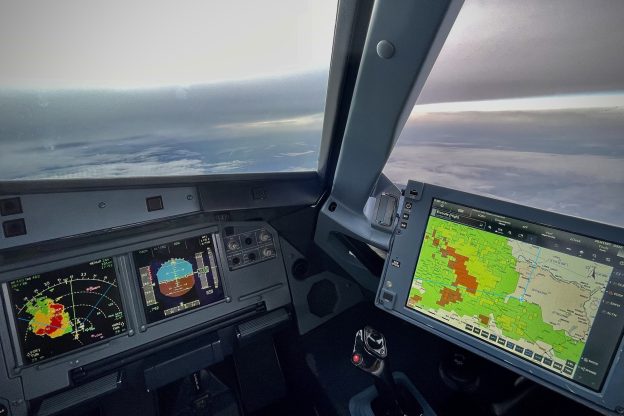
Im Zentrum des neuen PC-12 PRO steht das Pilatus Advanced Cockpit Environment ACE, basierend auf dem Garmin G3000 Prime. Drei immens grosse, hochauflösende 14-Zoll «Primary Flight Displays» sowie zwei 7-Zoll Sekundär-Displays – alles Touchscreens – und das von Pilatus entwickelte «Cursor Control Device» geben dem Piloten die vollständige Kontrolle über jede Phase des Fluges und sorgen für eine unvergleichliche Benutzererfahrung. Das vollständig neu gestaltete Cockpit ist mit ergonomischen Steuerhörnern ausgestattet, die von denen des PC-24 inspiriert sind und bietet eine verfeinerte Cockpit-Innenausstattung. Der Wegfall des «Direct Vision» Cockpit-Fensterrahmens sorgt für eine bessere Sicht nach aussen.

Autoland-Funktion als Standard
Durch die Integration des umfassenden Portfolios fortschrittlicher Sicherheits-funktionen von Garmin – einschliesslich der Notlandefunktion «Autoland» – bietet der PC-12 PRO ein Höchstmass an Sicherheit. Verbesserungen am integrierten «Stall Warning & Protection System» sowie am «Electronic Stability & Protection» tragen zusätzlich zur Sicherheit bei. Das Wetterradar wird durch eine neue, grössere Antenne unterstützt, welche die situative Wahrnehmung im Cockpit weiter verbessert. Die Autoland-Funktionalität ist ab 2026 Standard und in allen PC-12 PRO verfügbar.

Nur noch ein Pilot im Cockpit?

Nur noch ein Pilot im Cockpit? Das schlagen die Flugzeughersteller Airbus und Dassault vor. Die Vereinigung Cockpit und andere Verbände in Europa wehren sich dagegen. Die europäische Luftaufsicht (Easa) prüft, ob große Verkehrsflugzeuge phasenweise von einem Piloten alleine statt wie üblich zwei Kapitänen geflogen werden können. Entsprechende Vorschläge machten die Hersteller Airbus und Dassault, wie der Verband Vereinigung Cockpit mitteilte. Dieser und andere europäische Pilotenverbände wehren sich gegen die Pläne der Flugzeughersteller.

Hauptanliegen der Kritiker sind Sicherheitsbedenken an dem Vorhaben. Das Fundament der Flugsicherheit werde durch die Reduktion um einen Menschen dünner, sagt der Sprecher der Vereinigung Cockpit, Frank Blanken. „Die Zusammenarbeit von zwei Piloten im Cockpit als entscheidender menschlicher Faktor im Umfeld komplexer Technik bildet das Fundament für sichere Flüge.“ Zwei Piloten dienten der gegenseitigen Unterstützung und Absicherung, indem sie sich gegenseitig kontrollierten und komplexe Aufgaben sowie Notfälle gemeinsam bewältigten, sagt Blanken. Die Pilotenverbände haben eine Kampagne mit dem Titel One Means None (Einer heißt keiner) gestartet. Sie richtet sich an alle Beteiligten, einschließlich der Passagiere. Quelle: ‚Die Zeit‚.

Cessna Caravan Flight Deck to Feature Cockpit Advancements

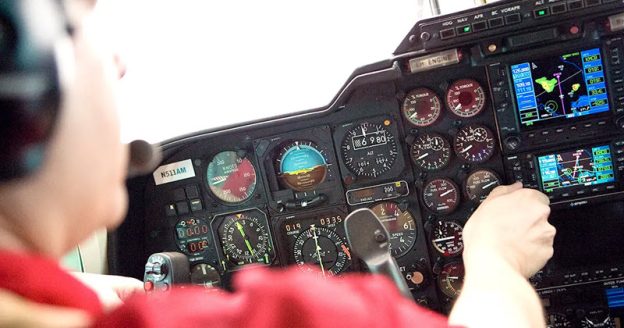
Textron Aviation Inc. announced significant enhancements to its legendary Cessna Caravan and Cessna Grand Caravan EX utility turboprop aircraft. A brighter, modernized flight deck with new backlit panels, along with other amenities designed to elevate the pilot experience, are the direct result of continuous conversations with customers. The enhancements, which are expected to be available in 2025, will be standard on all new Caravan and Grand Caravan EX aircraft.

One of the most notable changes to both aircraft is the all-new black cockpit panels, creating a more contemporary appearance. The Caravan will also have Electroluminescent Lighting panels to match current Grand Caravan EX models, providing additional backlight for greater visibility in dimly lit environments.

Other enhancements to the Cessna Caravan and Grand Caravan EX include:

  • A wider cockpit boarding ladder for easier access to the captain’s side of the aircraft
  • Four circular, adjustable air nozzles to replace the previous two rectangular cockpit air vents
  • Two USB-C charging ports to replace the 12V power adapter on the lower center pedestal of the cockpit
  • Two USB-C charging ports on the right-hand subpanel for the copilot
  • Standard power headset jacks (LEMO plugs) alongside the existing General Aviation plugs, offering operators greater flexibility in powering active noise-cancelling headsets
  • Headset hooks underneath the cockpit glare shield.

Source: ‚Textron‚.

Haube im Flug verloren

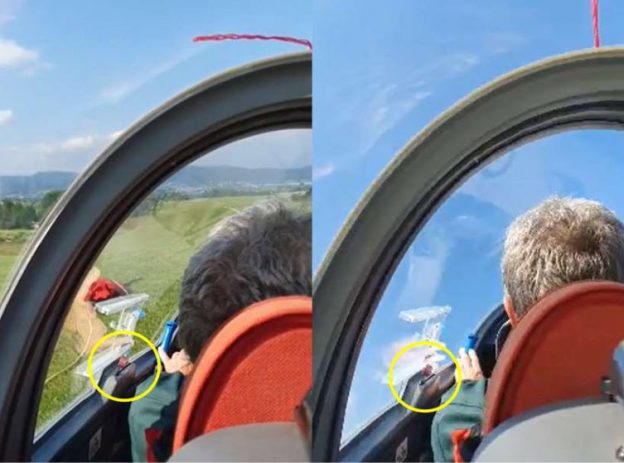
Vor ein paar Jahren öffnete sich bei einem Trainingsflug der Pilotin Narine Melkumjan an einem sehr heißen Sommertag die Kabinenhaube der Extra 330LX, die sie flog, im Flug und zerbrach.

Sie kommentiert ihre Erfahrung im verlinkten Youtube-Video folgendermassen: „Wie Sie auf dem verlinkten Video sehen können, war es eine schwierige Erfahrung, die hätte vermieden werden können, wenn ich vor dem Start eine ordnungsgemäße Sichtprüfung durchgeführt hätte. Der Verriegelungsstift der Kabinenhaube war nie in die verriegelte Position gerückt und ich habe es bei meinen Checks nicht bemerkt. Außerdem habe ich den Fehler gemacht, direkt nach der Genesung vom COVID ins Trainingslager zu fahren, ohne meinem Körper genügend Zeit zu geben, sich vollständig zu erholen. Außerdem machte das Fliegen ohne Augenschutz den Flug zu einer noch größeren Herausforderung als er ohnehin schon war.

Der Flug war eine quälende Erfahrung, voller Lärm, Atembeschwerden und eingeschränkter Sicht. Es dauerte fast 28 Stunden, bis ich mein Sehvermögen vollständig wiedererlangt hatte. Aerodynamisch hatte ich einige Probleme mit der Steuerbarkeit. Am schwierigsten war es, Leistung, Sehfähigkeit und Atmung beizubehalten. Obwohl es wegen des ganzen Lärms schwierig war, zu verstehen, was mein Trainer über Funk sagte, habe ich laut und deutlich gehört: „Flieg einfach weiter“. Wenn Sie als Pilot das Video sehen, hoffe ich, dass Sie aus meinem Fehler lernen werden. Ich bedaure, dass ich so lange gebraucht habe, um dieses Video zu veröffentlichen. Es ist nicht leicht, eine Schwachstelle zu offenbaren die alle sehen können.

Quelle: ‚Youtube/Narine Melkumjan‚.

Erfolgreicher Saisonbeginn für Antersberger Segelflieger

Der auf dem Segelfluggelände Antersberg beheimatete FC Condor startet mit mehreren Neuerungen in die neue Saison. Die weitere Modernisierung des Flugzeugparks, erfolgreiche Segelflüge über 600 km und viele neue Mitglieder sind die Highlights der neuen Flugsaison. Durch die vor etwas über einem Jahr von der neuen Vorstandschaft begonnene Modernisierung, durch fliegerische Erfolge im Streckensegelflug und der Segelflugausbildung entwickelt sich der Verein erfreulich weiter. Besonders wichtig ist die erstmals seit der Pandemie steigende Mitgliederzahl.

Als wichtigen Schritt zur Modernisierung des Flugzeugparks erwarb der Fliegerclub Condor e.V. kürzlich eine gebrauchte LS4, ein vielseitig einsetzbares Segelflugzeug, das unsere fast 50 Jahre alte, aber bewährte LS3 ersetzt. Die LS4 ist eines der am meisten gebauten Segelflugzeuge und bekannt für ihre exzellenten Flugeigenschaften und ihre Zuverlässigkeit. Sie bietet ein breites Einsatzspektrum, das von der Schulung neuer Piloten bis hin zum Leistungssegelflug reicht. „Die Anschaffung der LS4 ist ein bedeutender Fortschritt für unseren Verein. Sie bietet nicht nur modernere Technik, bessere Flugleistungen, sondern auch sehr harmonische Flugeigenschaften. Sie ist ideal für Anfänger, die ihre ersten Flugstunden absolvieren, ebenso wie für erfahrene Piloten, die lange Streckenflüge meistern möchten“, erklärt der 1. Vorsitzende Florian Seidl.

Ein Höhepunkt dieses Frühjahrs war der erste Soloflug unseres Flugschülers. Nach intensiver Vorbereitung und knapp 50 Starts mit den ehrenamtlichen Fluglehrern absolvierte er erfolgreich seine ersten Alleinflüge in unserem Schulungsflugzeug ASK 21. „Der erste Alleinflug war ein sehr besonderes Erlebnis für mich. Es war ein unvergesslicher Moment, als ich nach meiner Landung die Cockpithaube öffnete und mir die Piloten des Vereins zu meinem ersten Alleinflug gratulierten. Dank der Unterstützung und der fundierten Ausbildung, die ich hier beim Fliegerclub Condor erhalten habe, bestand ich meine Feuertaufe ohne Probleme“, berichtete er freudestrahlend nach seinem Erstflug.

Auch im Streckenflug feierten die Piloten des Fliegerclubs Condor Streckenflüge mit Distanzen bis 600 km. Die Routen führten sie unter anderem zum Oberalp-Pass, durch das Donautal und entlang der östlichen Alpen. Diese Flüge zeugen von der hohen fliegerischen Kompetenz der Vereinsmitglieder und der Leistungsfähigkeit der Flugzeuge. „Unsere Piloten haben in diesem Frühjahr bereits tolle Flüge gezeigt. Die Streckenflüge sind nicht nur ein Beweis für ihre Fähigkeiten, sondern auch für den Teamgeist und die Begeisterung, die in unserem Verein herrschen“, so Florian Seidl weiter.

Besonders erfreulich ist, dass der Fliegerclub Condor erstmals seit der Pandemie wieder mehr Mitglieder hat. Neben etlichen neue Flugschülern haben sich dem Verein auch einige erfahrene Piloten angeschlossen, was auf das gestiegene Interesse am Segelflugsport, die hervorragende Vereinsarbeit und die gute Infrastruktur, die bei gutem Segelflugwetter auch Flugbetrieb unter der Woche fördert, zurückzuführen ist. „Es ist großartig zu sehen, dass unser Verein wieder wächst. Die neuen Mitglieder bringen frischen Wind und neue Perspektiven mit, was uns als Gemeinschaft stärkt und bereichert“, betont Seidl. Der Fliegerclub Condor e.V. in Antersberg kann zuversichtlich auf die kommende Saison und die vielen weiteren Herausforderungen und Erlebnisse blicken. Quelle: ‚Thomas Bauer, FC Condor Antersberg e.V.‚.

Förderung des Navigationsfluges

Der BWLV will die aufstrebende Motorflugsportart Navigationsflug besonders fördern. Dazu hat der Fachausschuss Motorflug/Ultraleicht im Frühjahr 2024 ein Förder-Programm für Luftsportlerinnen und Luftsportler mit Ambitionen zum Spitzensport in Leben gerufen. Konkret werden dabei ausgeschriebene Meisterschaften auf Bundesebene finanziell unterstützt. Quelle: ‚BWLV‚.

Distracted Pilot Loses Control Due To Incorrect Transponder Setting

Something as small as an incorrect transponder setting can lead to an accident if you allow yourself to become distracted. Here’s how this pilot nearly lost control on takeoff, and what you can do to avoid the same mistake.

A Chain Of Distractions
In a NASA ASRS report, a Cessna 182 Skylane pilot described the circumstances surrounding a momentary loss of control during takeoff with an incorrect transponder setting:

„After receiving my IFR clearance, I was interrupted by a passenger question while I was setting the transponder code. This caused the transponder to be set incorrectly. I failed to notice this error during the remainder of the preflight. During the takeoff roll, I looked down and saw the incorrect setting of the transponder and allowed myself to be distracted. I reached down to set the transponder. At that time the airplane veered right. Upon noticing the problem I corrected and completed the takeoff.

Two Things Went Wrong Here:
1) The pilot became distracted by a passenger question at a critical moment: while entering IFR clearance information.
2) The pilot attempted to change the transponder setting during a critical phase of flight: the takeoff roll.

What Could Have Been Done Differently
It’s easy to get distracted by passengers and their questions in any phase of flight – even on the ground. The best thing you can do is brief them about when and where it’s appropriate to ask questions. If you’re busy entering clearance information, let them know you’ll get back to their question as soon as you’re done.

Running the fine line between being perceived as rude or focused is tough. But if you explain to your passengers (before the flight) about good and bad times to talk, you’ll reduce the chance of distractions at critical phases of your flight.

When You Realize Something Is Wrong
A skill pilots develop over time is deciding what’s critical and what’s not. Changing the transponder during the takeoff roll isn’t critical to flight safety, so it’s unnecessary at that moment. Even with the passenger’s distraction, this situation could’ve been avoided had the pilot waited to reset the transponder during the climb. In most cases, ATC won’t radar identify you until you’re on with approach control or center, and that typically happens several minutes into the flight. And even if your transponder isn’t set correctly, ATC will let you know so you can correct it. It’s far more important to focus on flying the airplane when you’re at a high speed close to the ground (or on the ground). Unless something directly affects your safety or the flight characteristics of your plane, avoid becoming distracted by unnecessary „fixes“ during critical phases of flight. Source: ‚Boldmethod‚.

„…wäre ich heute kein Pilot“.

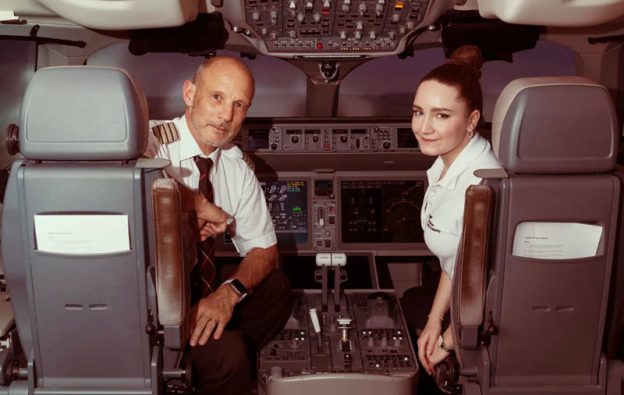
Airlines wie die Swiss suchen Piloten. Die Ausbildungsklassen sind nur spärlich gefüllt. Woran liegt das? Ein Gespräch mit einem langjährigen Piloten und einer angehenden Pilotin.

Herr Ammann, warum wollten Sie vor 30 Jahren Pilot werden?
Ammann: Das war ein Kindheitstraum. Ich wusste schon in der fünften Klasse, dass ich Pilot werden will. Die Fliegerei hat mich fasziniert. Aber auch die Technik, die Geschwindigkeit, die unbegrenzten Möglichkeiten.

Und Sie, Frau Feuser. Warum wollen Sie 2024 Pilotin werden?
Feuser: Meine Tante hat als Flugbegleiterin bei der Lufthansa gearbeitet und mich als junges Mädchen auf einen Flug mitgenommen. Ich war sehr fasziniert vom Fliegen und habe schnell gemerkt, das will ich auch machen. Nach dem Abitur habe ich als Flugbegleiterin gearbeitet und konnte mir so ein realistisches Bild vom Job des Piloten machen. Aus verschiedenen Gründen habe ich mich dann für die Ausbildung entschieden. Ich bekomme als Pilotin Einblicke in unterschiedliche Themenbereiche wie beispielsweise Technik, Luftrecht oder Meteorologie. Das macht es für mich zu einem sehr spannenden und abwechslungsreichen Beruf. Ausserdem gefällt mir, dass man mit Menschen zusammenarbeitet.

Ammann: Ein sehr wichtiger Punkt. Die Zusammenarbeit mit Menschen wird als Kapitän nochmals intensiver. Ich führe Menschen, ich kann sie motivieren. Mein Führungsstil prägt das Team für einen Flug. Und es schafft Möglichkeiten, Probleme zu lösen oder – im schlechten Fall – neue zu kreieren.

Da spricht ein Kapitän. Ist das auch Ihr Ziel?
Feuser: Theoretisch habe ich die Wahl. Ich bin nicht verpflichtet, Kapitänin zu werden. Ich glaube aber, dass das das Ziel von jedem und jeder ist. Alle möchten eines Tages vorne links sitzen, ich auch.

Ist das Ihr inneres Verlangen nach Führung?
Feuser: Nein, mir geht es nicht darum, zu führen. Mir geht es ums Fliegen und ums Arbeiten im Team.Ammann: Wenn du Chef werden willst, suche dir einen Beruf im Management. Wenn du die Faszination Fliegen erleben möchtest und dich das fesselt, werde Pilotin. Ich habe mir nie solche Gedanken gemacht. Ich wusste, ich will fliegen. Ob ich Kapitän werde, habe ich mir nicht überlegt.

Sie haben sich weniger überlegt, und Sie haben weniger Erfahrung im Gepäck gehabt. Ist das der Unterschied zu den heutigen Anwärterinnen und Anwärtern?
Ammann: Ich bin einfach meiner Passion gefolgt und habe alles dafür gegeben, dies zu erreichen. Heute müssen die Jungen mehr finanzielle Mittel einbringen, was zu einer vertiefteren Beurteilung des Berufes führt. Hätte ich mit 20 Jahren so viel für die Ausbildung bezahlen müssen, wäre ich heute kein Pilot. Insofern verstehe ich, wenn heute viele Leute mit Berufserfahrung die Ausbildung beginnen, da sie Ersparnisse mitbringen müssen.

Gemäss Schätzungen der Branche werden etwa 42 Prozent der derzeitigen Piloten innerhalb des nächsten Jahrzehnts in den Ruhestand gehen. Der Swiss fehlen bald noch mehr Piloten als ohnehin schon. Dazu kommt die teure Ausbildung.
Ammann: Das ist ein Problem, welches die Swiss beurteilen muss. Die Ausbildungskosten haben aber auch positive Aspekte, man setzt sich dadurch ernsthaft mit dem Beruf auseinander, bevor man sich anmeldet. Persönlich würde ich es begrüssen, wenn die finanzielle Beteiligung tiefer wäre, ähnlich wie bei Studierenden.

Feuser: Ich finde es schade, dass der finanzielle Hintergrund ein ausschlaggebendes Kriterium dafür ist, ob man sich für diese Ausbildung entscheiden kann oder nicht. Dadurch müssen die Airlines auf qualifizierte Bewerber verzichten, die einen Mehrwert bieten könnten. Gleichzeitig verstehe ich, dass das Training an einer Flugschule hohe Kosten mit sich bringt.

Entschuldigung, aber welcher junge Mensch kann nebenbei mal 35 000 Franken zahlen?
Feuser: Ohne eigene Ersparnisse ist das sehr schwierig, das stimmt. Da ist man auf finanzielle Hilfe angewiesen.
Ammann: Die Frage ist schwierig zu beantworten. Natürlich verhindern die Ausbildungskosten, dass eine 18-Jährige eine Pilotenausbildung beginnen kann. Sie kann vielleicht erst mit 26 Jahren starten. Das finde ich schade, auch aus Unternehmenssicht, weil so der Einstieg erst später erfolgen kann und einige Jahre eines Talentes ungenutzt verschwendet werden.

Neben der teuren Ausbildung bringt der Job auch den Ruf als Klimasünder mit. Könnte der Mangel an Piloten damit zusammenhängen?
Feuser: Nein, das glaube ich nicht. Vor allem, weil die Swiss sehr viel für nachhaltigeres Fliegen unternimmt. Die Flotte wird laufend erneuert, wir bekommen den Airbus A350-900. Dieser ist sparsamer und ökologischer. Auch nachhaltiger Treibstoff ist für die Swiss ein grosses Thema.

Sie beide müssen sich im Freundeskreis nie für Ihren Beruf rechtfertigen?
Feuser: Bisher nicht.
Ammann: Ab und zu ist dies in Diskussionen ein Thema. Doch schliesslich befriedigen wir ein Bedürfnis von Menschen, die fliegen wollen. Die heutige Technik ist das Beste, was uns zur Verfügung steht. Doch natürlich beschäftigt mich das Thema.

Würden Sie anders auf Ihren Beruf schauen, wenn Sie am Anfang Ihrer Karriere stehen würden?
Ammann: Nein. Ich akzeptiere, dass das Leben von uns Menschen auf der Erde irgendwo einen Abdruck hinterlässt. Wir können uns bemühen, diesen so klein wie möglich zu halten. Ich versuche mit meinen Möglichkeiten Positives zu bewirken. Ich bin Pilot und habe deswegen kein schlechtes Gewissen.

Sind Sie zufrieden mit Ihrem Salär? Seit dem neuen Gesamtarbeitsvertrag verdienen Sie sogar noch etwas mehr.
Ammann: Ich finde, es ist ein angemessenes Salär, das den Aufgaben und der Verantwortung entspricht.
Feuser: Das sehe ich genauso. Gerade im Hinblick darauf, dass die Ausbildung kostenintensiv ist, kommt man mit dem Gehalt nach der Ausbildung gut zurecht. Quelle / vollständiger Bericht: ‚NZZ, Neue Zürcher Zeitung‚.

Hydration for Glider Pilots

Author: Adam Woolley

In the realm of gliding, where the sky becomes both playground and canvas, the importance of hydration for pilots cannot be overstated. As gliders gracefully ride the currents and thermals, pilots must navigate not only the atmospheric conditions but also the internal dynamics of their bodies. Hydration emerges as a silent but critical companion, ensuring that pilots stay alert, focused, and in control amid the boundless skies.

Glider pilots, often navigating for extended periods without the luxury of a cockpit water supply, face unique challenges when it comes to staying hydrated. The combination of high altitudes, exposure to the elements, and the physical demands of manoeuvring a glider requires a proactive approach to fluid intake.

One of the primary challenges for glider pilots is the deceptive nature of their environment. While the cockpit provides a sense of shelter, the reality is that flying at altitude can lead to increased dehydration. The dry air in the cockpit, coupled with the physical exertion of handling controls, accelerates fluid loss. The effects of dehydration, such as impaired cognitive function and reduced reaction time, can compromise the safety of both the pilot and the glider.

The preflight routine for a glider pilot should extend beyond checking instruments and inspecting the aircraft to include a conscious effort to hydrate. Ensuring proper hydration begins well before takeoff, as pilots should consume an adequate amount of water in the hours leading up to their flight. Once airborne, maintaining hydration becomes an ongoing task, requiring strategic planning and a commitment to regular fluid intake.

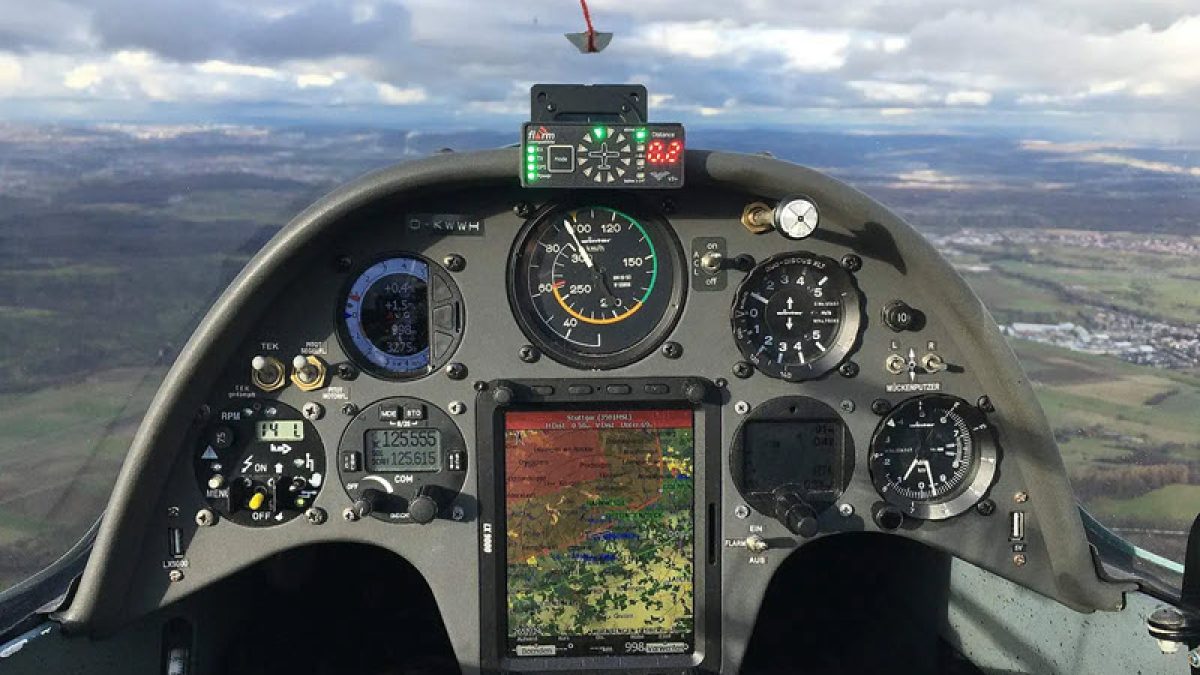
While the instinct might be to limit liquid intake to avoid restroom breaks during flight, this approach can be counterproductive. Dehydration not only impairs cognitive function but also affects the body’s ability to regulate temperature, which is crucial in the varying conditions experienced during gliding. Pilots must strike a balance, adopting a „sip regularly“ mindset to prevent the cumulative effects of dehydration. Personally, after every thermal, I reward myself with a sip of water. Another effective way to remember, is to have a timer set on your LX80/90xx, mine says: “Drink or eat?” Every 30 minutes.

Hydration strategies for glider pilots should extend beyond water intake alone. Electrolytes, lost through sweat and physical exertion, play a pivotal role in maintaining bodily functions. Pilots should consider incorporating electrolyte-rich drinks or supplements to replenish these essential minerals, promoting overall well-being and sustained performance during flight.

The importance of hydration becomes even more pronounced during extended flights or competitions, where pilots may spend several hours aloft. In these scenarios, a well-thought-out hydration plan becomes a strategic asset, ensuring that the pilot remains physically and mentally sharp throughout the entirety of the journey.

The skies may be boundless, but a glider pilot’s resources are not. Hydration emerges as a silent hero, supporting pilots in their quest for both adventure and safety. A conscious commitment to staying hydrated, from the preflight rituals to the soaring heights and habits, is not merely a precaution, but a fundamental aspect of responsible and enjoyable gliding. As pilots harness the winds and dance with thermals aloft, let hydration be their steadfast partner, ensuring that every glide is a journey well-nourished and well-hydrated. Source: ‚Wings & Wheels‚.

High school students get early access to aviation

AlphaFlight, a flight school based at the Plymouth Municipal Airport in Indiana, gives local high school juniors and seniors the chance to earn college credits and take to the skies through a two-year vocational aviation program. Since 2019, AlphaFlight, co-owned and operated by Dan Marohn and Ken Norris; the North Central CTE Cooperative; and Ivy Tech Community College have worked together to introduce teens to the myriad of career possibilities that exist in the world of aviation.

The North Central CTE Cooperative provides opportunities for students to discover career pathways through hands-on learning, postsecondary credits, industry certifications, and work-based learning. “Having grown up in Plymouth and coming out to the airport as a young kid to learn to fly, I had nobody to help guide or mentor me,” said Marohn. “The high school aviation program is a way for me to give back and make the aviator path easier for these high school students by being able to guide and mentor them in all of the different aviation paths they may want to go into.” The two-year program spans the entire academic year; upon completion, students will have earned 20 college credits, 10 simulator hours, and 10 flight hours—five hours per year. The students attend daily classes at the airport from 12:30 p.m. to 3 p.m. and are required to abide by a professional dress code at the airport. In their junior year, students focus more on flight training while second-year students attend classes focused on airport management and airport operations. Ground school gets the students prepared to take the FAA private pilot knowledge test, while students also earn five hours of flight instruction in an airplane, and five hours of flight instruction in a full-motion Redbird simulator, per year.

It is completely free for students to attend the program, which includes transportation to and from the airport. Students wishing to pursue a pilot certificate during the program are responsible for the cost of the training above and beyond the five free flight hours. “The High School Aviation program was a dream program for me to help increase the activity at the airport,” Bill Sheley, Plymouth Municipal Airport Manager, said. “The program came together much easier and in a bigger way than I thought possible due to all the people involved, the flight school AlphaFlight and the High School Administration.

“Due to the quality of the flight instruction and the aviation experience of the classroom instructors our program has grown to the largest enrollment in Indiana for CTE Aviation programs,” Sheley continued. “For the 2023-24 School year, we presently have 50 students enrolled. I never thought the program would be so popular. We are at the point where we must be considering adding classroom space at the airport. I am most proud of the head start the program gives the students that go on for further training for an aviation career. My students that have gone on to the U.S. Air Force, Embry-Riddle, Liberty, and Purdue have all told us how much the program has advanced them over their fellow students.” Last month, current second-year student Ebert White had his first solo flight in AlphaFlight’s Cessna 172. White, who hopes to fly for the airlines one day, plans to earn all of his certificates and ratings at AlphaFlight. The school plans to hire him as an instructor to fly and build time.

Outside the classroom, students take part in career and technical education days where aviation industry professionals speak about their day-to-day and the paths that got them there. Students also participate in field trips to Grissom Air Reserve Base, where they learn about VORs and military air traffic control, and even test their skills on the National Guard obstacle course. Many current and past students credit the program with not only making their dreams of flight a reality but also preparing them for life in university and in the professional world.

“The experience I had at the aviation vocational program was unlike anything I’ve ever done before,” said Kavan Holm, a 2023 graduate from the program. “From getting very detailed ground schooling to learning how to how to manage an airport we explored anything and everything aviation related and on top of that got 10 hours of flight and simulator time logged into our logbooks for free.” “This is definitely going to help me in my future endeavours as I go on to study Aviation Maintenance Management,” Holm continued. “The knowledge I will already have on my future career and more will give me a big leg up in my class.” Marohn hopes the success of the program encourages more flight schools and school districts to develop their own programs so more students can realize their dreams of aviation. “We encourage other flight schools in the country to reach out to us so we can help launch a curriculum and infrastructure designed for them so that they are able to provide their surrounding high school students with the opportunity to explore all of the possible careers aviation has to offer.” Source: ‚Niki Britton on AOPA‚.

Stupid, Stupid, Stupid

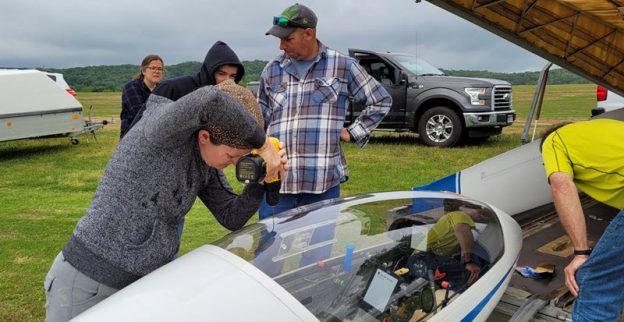
Yesterday I broke the canopy of the glider because I did something very stupid. Today, when I inspected the glider, I found a crack at the top of the canopy. Thanks to the help of Sarah Arnold, Jacob Fairbairn, and Mitch Hudson (all IAs), we have temporarily fixed the crack, which makes the glider flyable for the time being. I am very, very sorry to my club for damaging the glider and will work to make it right. When I get back home after the end of the meet, I’ll coordinate with the club to make sure the ship remains safe and flyable for the remainder of the season and replace the canopy at the end of the year.

What happened was that I made an egregiously stupid mistake while derigging the glider. After the day got cancelled, we put the ships away due to storms coming in the afternoon. I brought the LS4 to the trailer but came in at a little bit of an angle to get around a neighbouring glider. After straightening the tail out to be square with the trailer, the ramp was slightly askew and the forward pins weren’t fully wedged in their respective sockets. I should have fixed this misalignment and made a critical mistake in assuming that it was straight enough. After taking the wings off, I started jacking up the ramp up to level it with the back of the trailer. At that point, the pins in the front of the ramp popped off the back end of the trailer, destabilizing the whole rig and the fuselage immediately blew over in the strong wind.

With the help of several folks, we righted the fuselage up, dropped the gear, and realigned everything. I took a good look around and didn’t see any signs that anything got damaged on the fuselage. The canopy locked and everything remained aligned. No signs of any damage to the tail or the nose. With a big sigh of relief, I put the fuselage back into the box.

This morning, the contest day was cancelled due to poor prospects for soaring. I decided to take the fuselage out to take another good look at it. Much to my horror, I found a long longitudinal crack at the top of the canopy, right about over the top of the pilot’s head, running to the back of the canopy. Flying with a crack in the canopy is unsafe as the crack can quickly propagate and the canopy will break in-flight. At a minimum, the crack MUST be stop-drilled to stem the bleeding.

Thankfully, Sarah Arnold, World Champion, airport owner, and licensed mechanic had a full-service shop for her equipment in her spacious hangar. She had plexiglass drill bits to contribute to the fix. Mitch Hudson, in turn, had a cordless drill and packing tape to fix the glider right on the spot. I had the CA glue to seal the crack. And Jacob Fairbairn came over to help work on the canopy. All three licensed mechanics inspected and contributed toward fixing the canopy. The field repair will keep the glider flyable for the time being, and I can’t thank them enough for helping make the glider airworthy again. It is absolutely amazing the level of knowledge and experience available at such meets.

This should make the glider serviceable for the time being. I’ll coordinate with club members to check the work and assess whether there needs to be further work for the glider to be serviceable through the end of the season. Finally, I’ll work with the Board toward replacing the canopy at the end of the season.

All of this could have been prevented with a bit more patience and forethought when taking the glider apart and ensuring everything was properly lined up. My deepest apologies to my wonderful club, to all the club members, and especially to the folks that have put so much effort into restoring the ship and making it beautiful. Source: ‚SoaringEconomist‚.